
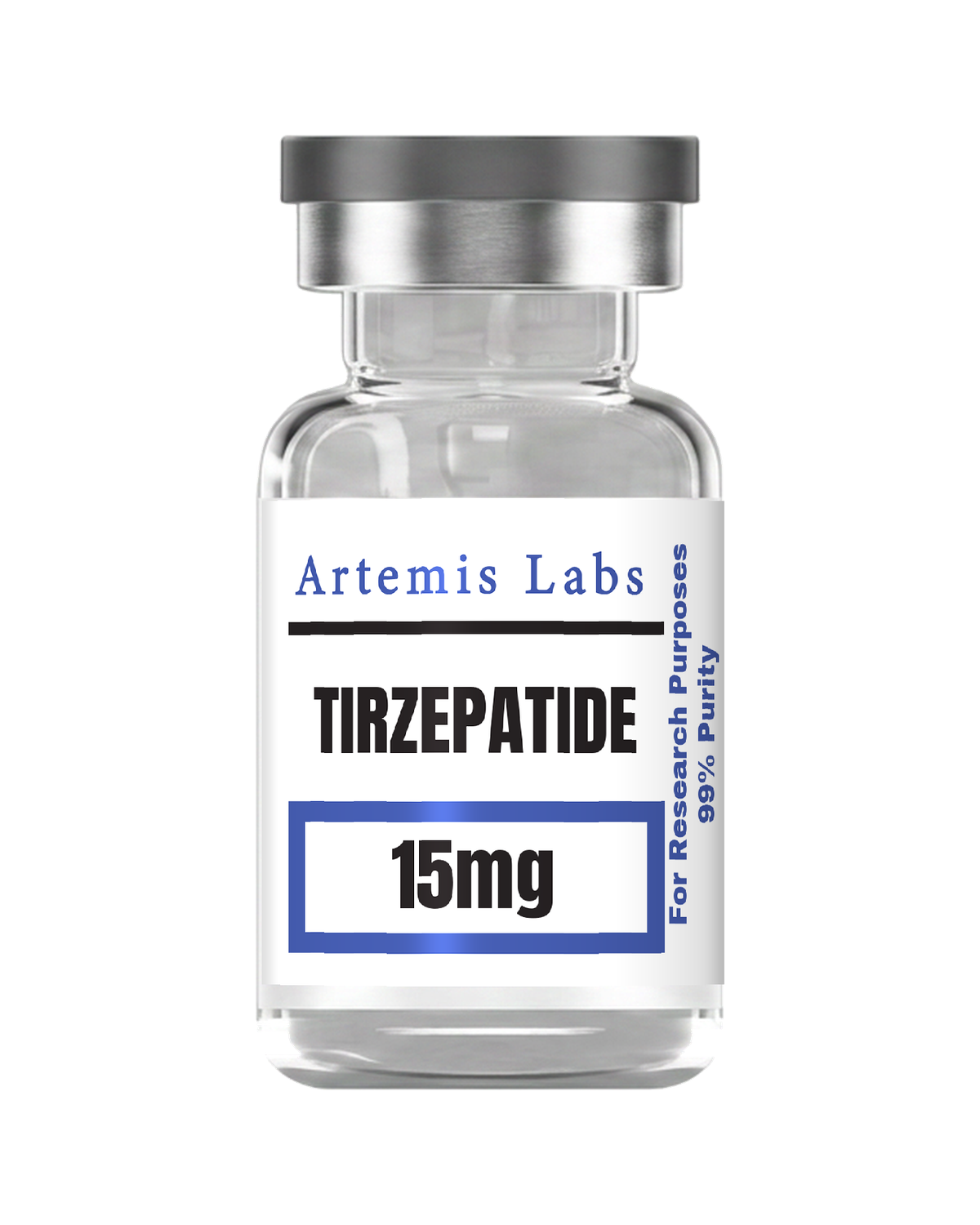
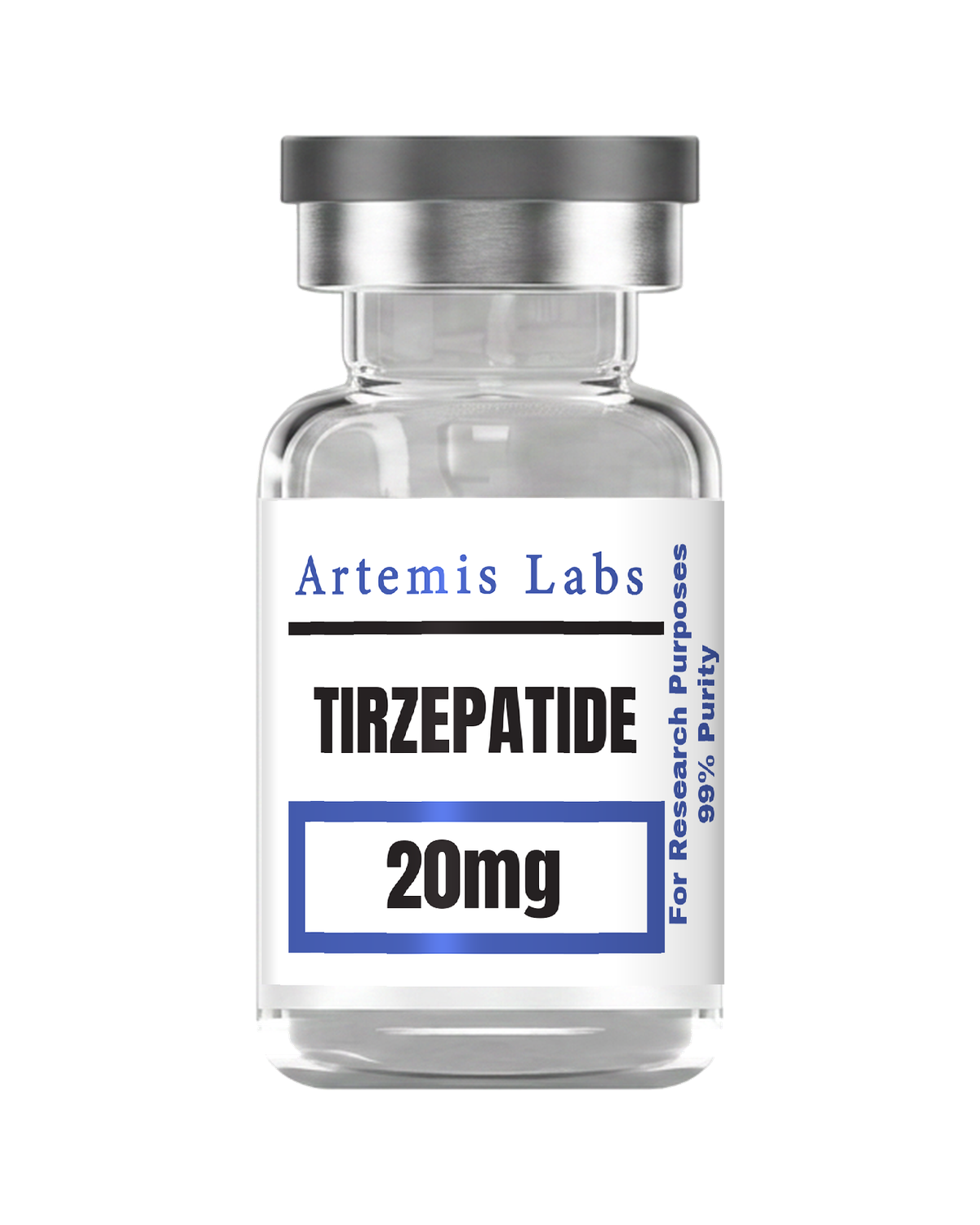
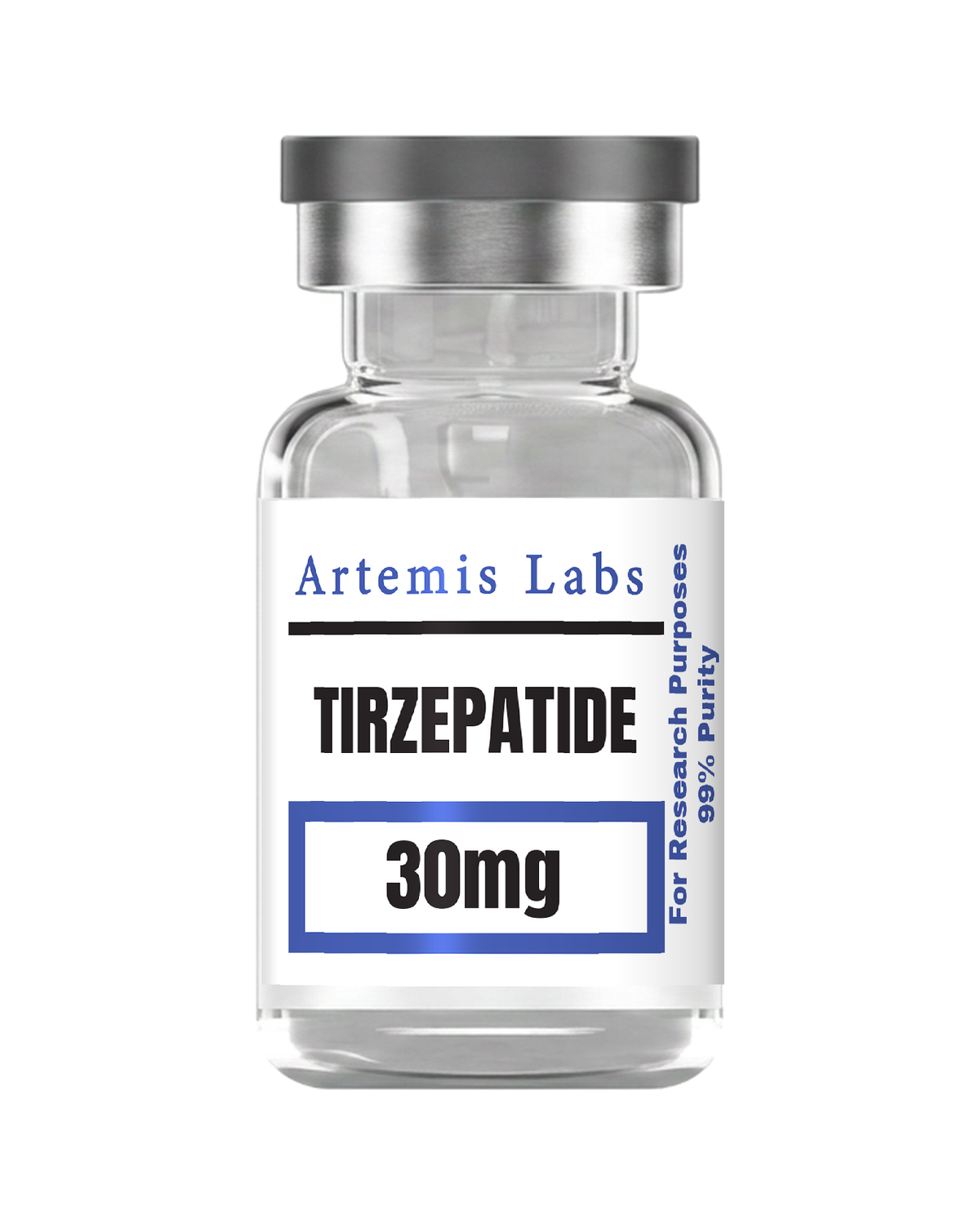
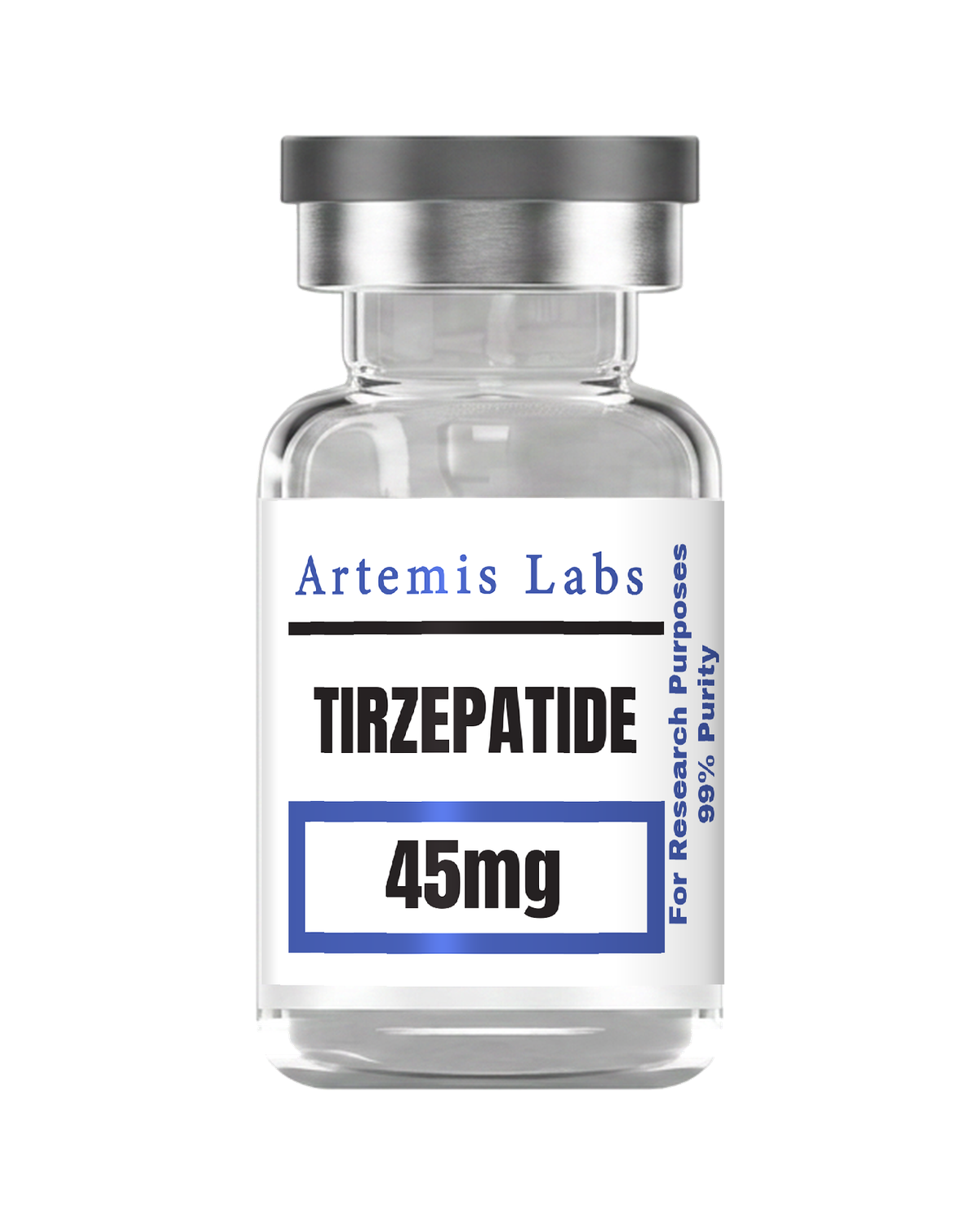
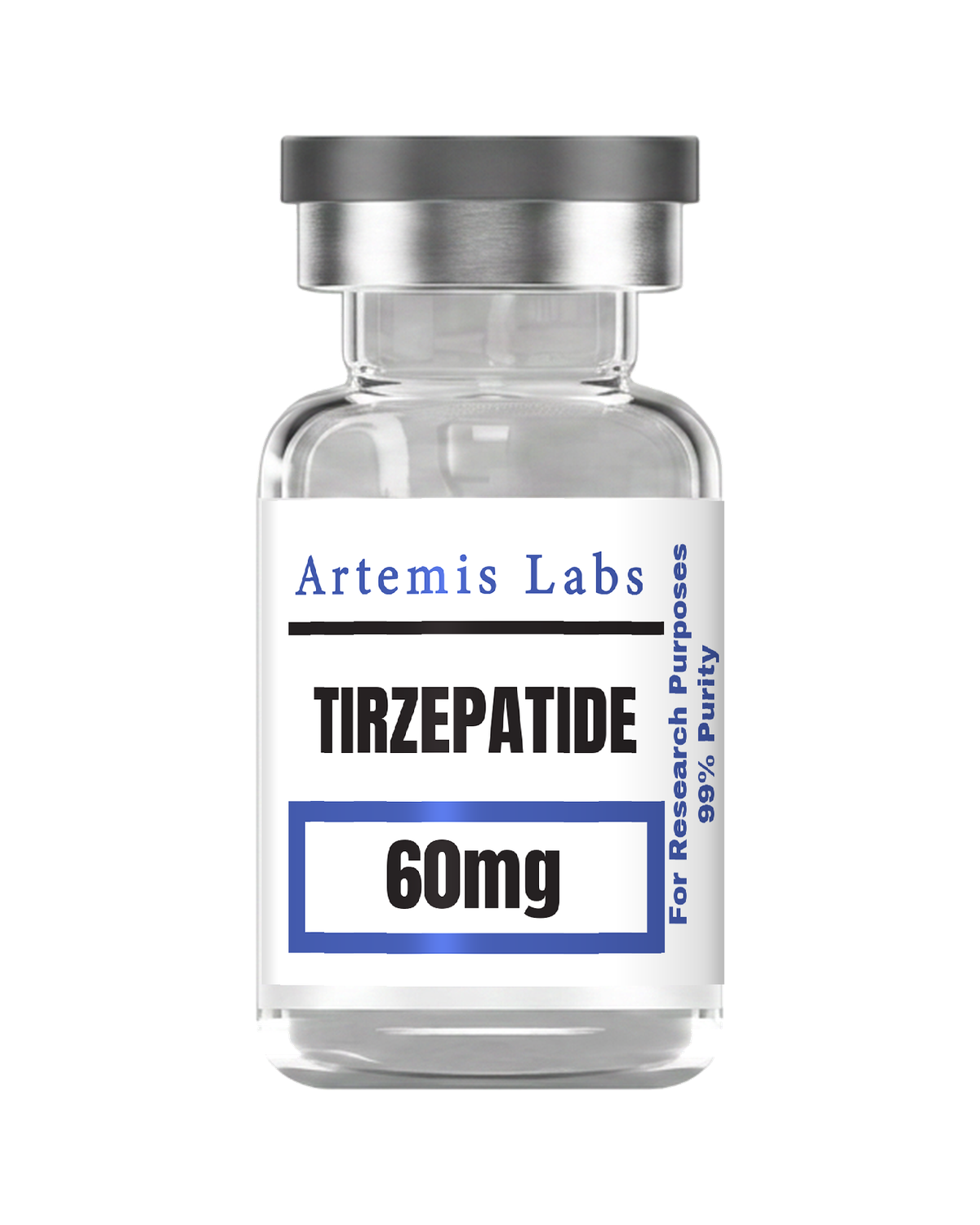
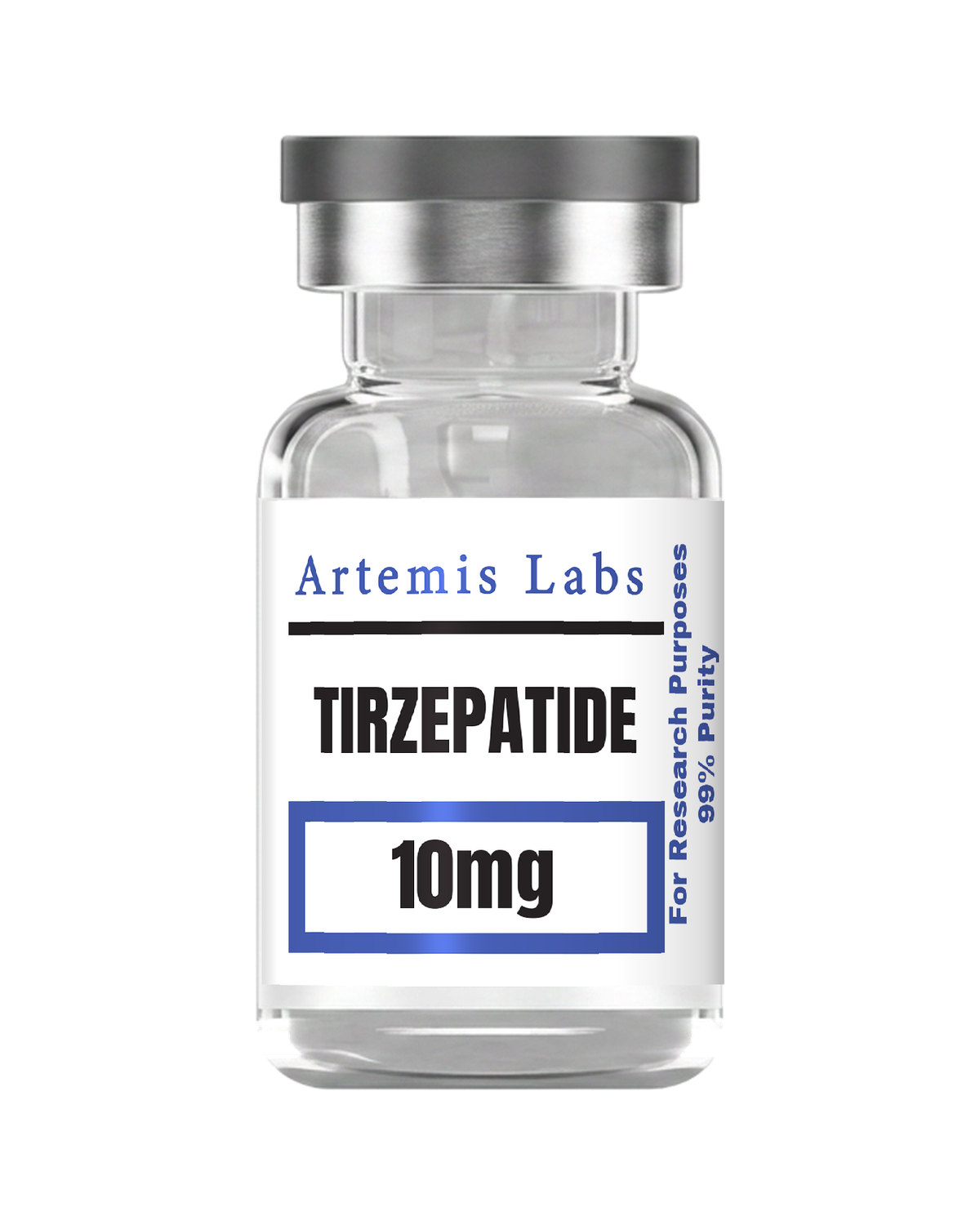
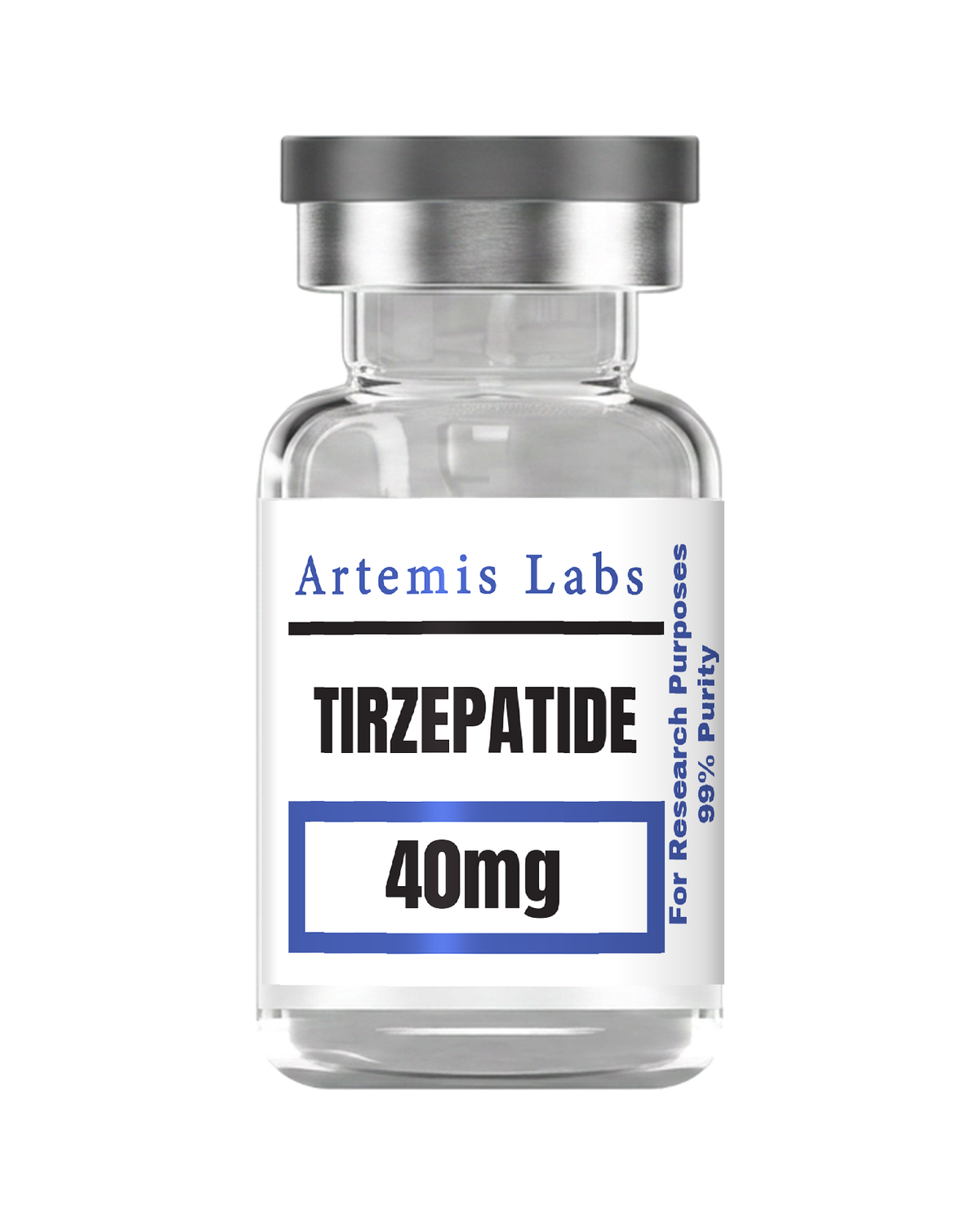
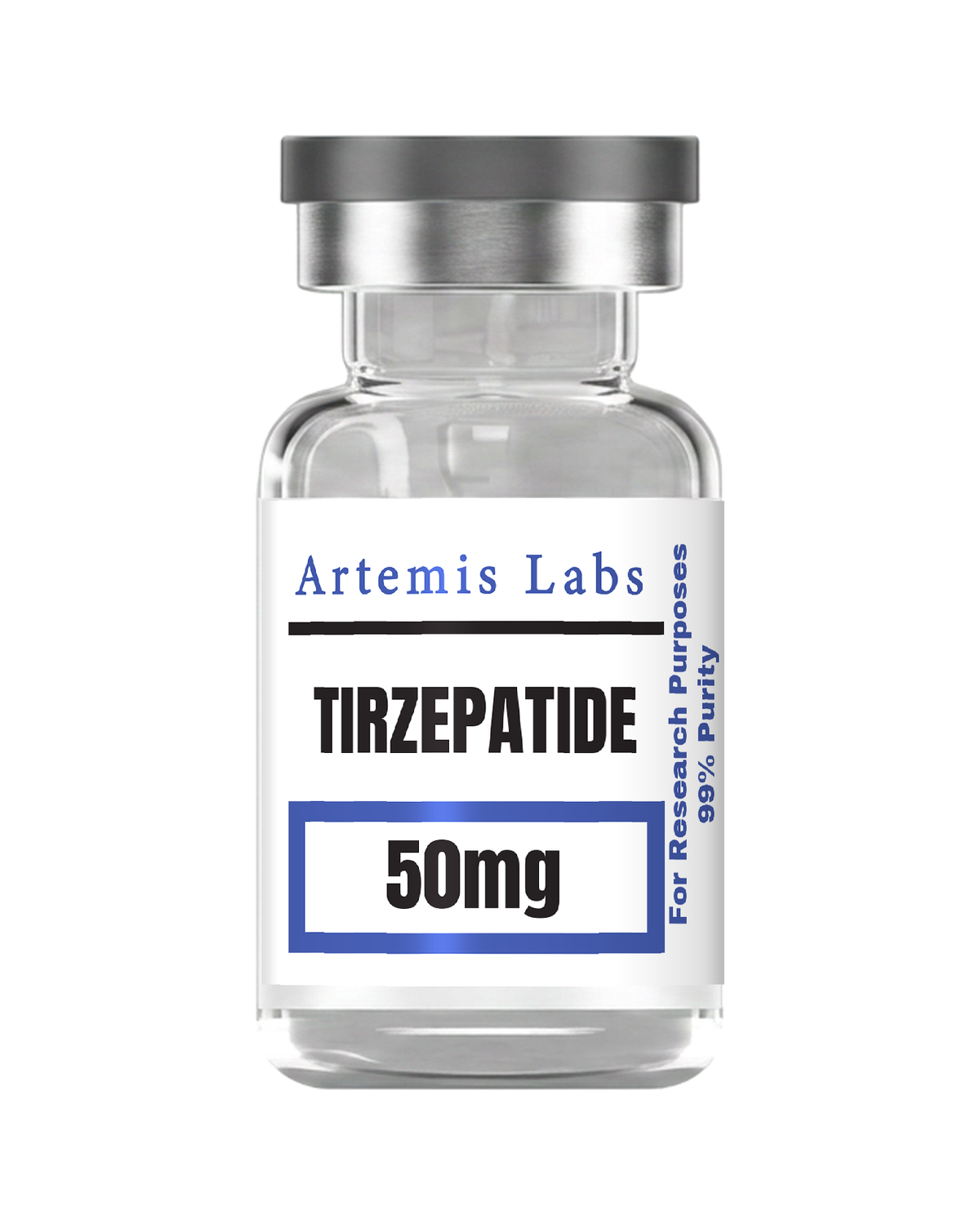
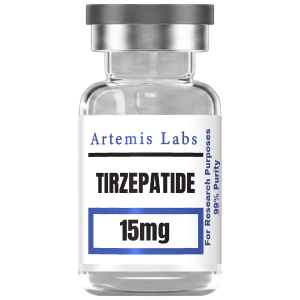
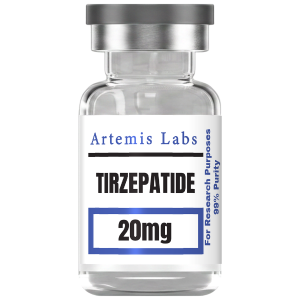
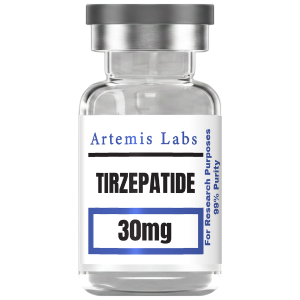
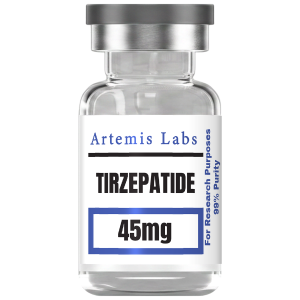
Tirzepatide
Price range: $80.00 through $240.00
Your gut releases hormones after a meal that tell the pancreas to make insulin and tell the brain you have had enough. Tirzepatide is a synthetic peptide that mimics two of them at once — GIP and GLP-1 — instead of one. A fatty tail on the molecule makes it stick to albumin in the blood, which is why it lingers for days rather than minutes. The design question the research is asking: does engaging two receptors beat engaging one?
Continue readingShow less
What the trials found. SURMOUNT-1 reported ~22.5% mean body-weight reduction over 72 weeks. SURMOUNT-OSA (Malhotra 2024, PMID 38912654) supported the December 2024 FDA sleep-apnoea indication, and SUMMIT (Packer 2025, PMID 39555826) reported a 38% reduction in cardiovascular death or worsening heart failure in adults with HFpEF and obesity. This is the most extensive Phase 3 cardiometabolic dataset of anything in the catalogue.
The finding that complicates it. A post-hoc SURMOUNT-4 analysis (Aronne 2025, PMID 41284285) reported ~14% mean body-weight rebound over a 52-week placebo phase following 36 weeks of open-label treatment — and the improvements in waist circumference, blood pressure, cholesterol and insulin sensitivity reversed in proportion to the regain. Durability is an open question, not a settled one.
Lyophilized 39-amino-acid peptide at ≥99% HPLC-verified purity, batch-specific Certificate of Analysis.
Description
Tirzepatide is a lab-made peptide with 39 amino acids. It binds two gut hormone targets at once: GIP and GLP-1. Most peptides in this class bind just one. Artemis Labs supplies it as a dry powder for lab research, tested at 99% purity or better, with a lab report in each box.
Reviewed August 21, 2026 · Artemis Labs
What is tirzepatide?
Tirzepatide (development code LY3298176) is a 39-amino-acid synthetic peptide that binds both the glucose-dependent insulinotropic polypeptide receptor (GIPR) and the glucagon-like peptide-1 receptor (GLP-1R). A C20 fatty-diacid moiety is conjugated to lysine-20 through a γGlu-2×OEG linker; that lipid tail mediates albumin binding, attenuates dipeptidyl-peptidase-4 cleavage, and accounts for the reported terminal half-life of roughly five days. Molecular formula C₂₂₅H₃₄₈N₄₈O₆₈; MW 4813.5 Da; CAS 2023788-19-2. Artemis Labs supplies it as a lyophilized powder at ≥99% purity by reverse-phase HPLC with identity confirmed by mass spectrometry, batch Certificate of Analysis included. Supplied for laboratory research use only.
What is the regulatory status of tirzepatide?
The parent compound is approved by the FDA for human therapeutic use under trade names that are not part of the Artemis Labs catalog. The Artemis product is a research reagent and is not a therapeutic equivalent of any approved drug, not a compounded preparation, and not supplied for human use. Tirzepatide is not a controlled substance under U.S. federal law, and weight-related compounds of this class are not currently named on the WADA Prohibited List — investigators in sport-research contexts should verify against the code in effect. The FDA removed tirzepatide from its drug-shortage list in October 2024, and §503A compounding of the parent compound is correspondingly restricted; the research reagent sits outside that framework.
Which receptors does tirzepatide bind?
- GIPR. Reported research-model Ki near 0.1 nM.
- GLP-1R. Reported research-model Ki near 4 nM.
- Selectivity. Roughly 30-fold preferential GIPR engagement over GLP-1R — the design feature that separates tirzepatide from GLP-1-only research peptides. Sun et al. 2022 resolved the cryo-EM structural basis of that GIPR-biased dual engagement (PNAS 119(13):e2116506119, PMID 35333651 · DOI 10.1073/pnas.2116506119).
- Pharmacokinetics reported in published studies. Terminal half-life approximately 5 days; Tmax 8–72 hours; elimination approximately 66% renal and 33% fecal.
What did the published tirzepatide trials report?
The findings below are reports of what named trials measured in their own enrolled populations, with the citation attached to each. They are descriptions of a published literature, not statements about what any purchaser or research model should expect.
- SURMOUNT-1 (Jastreboff et al., NEJM 2022, PMID 35658024): 72-week Phase 3 trial reporting a mean body-weight reduction of approximately 22.5% in the highest tirzepatide arm versus placebo.
- SURPASS-2 (Frías et al., NEJM 2021, PMID 34170647): 40-week head-to-head against semaglutide, reporting superior HbA1c reduction.
- SURMOUNT-5 (Aronne et al., NEJM 2025, PMID 40353578): first Phase 3 direct comparison against semaglutide, reporting greater body-weight reduction at 72 weeks — a difference widely reported at roughly 6.5 percentage points.
- SURMOUNT-OSA (Malhotra et al., NEJM 2024, PMID 38912654): two parallel trials reporting reductions in the apnea-hypopnea index; the basis for the December 2024 FDA obstructive-sleep-apnea indication for the parent compound.
- SUMMIT (Packer et al., NEJM 2025, PMID 39555826): 52-week trial in heart failure with preserved ejection fraction, reporting a 38% reduction in a composite of cardiovascular death or worsening heart failure.
- SURPASS-CVOT (Nicholls et al., NEJM 2025, PMID 41406444): long-term cardiovascular outcome data versus dulaglutide — the first such dataset for an incretin co-agonist.
- SYNERGY-NASH (Loomba et al., NEJM 2024, PMID 38856224): Phase 2 hepatic-fibrosis outcomes, reporting one-stage fibrosis change in 55% of a tirzepatide arm versus 30% on placebo.
How does tirzepatide compare with other incretin research peptides?
| Compound | Receptors | Mean body-weight reduction reported at top arm | Trial |
|---|---|---|---|
| Tirzepatide | GIP + GLP-1 (dual) | ~22.5% (72 wk, Phase 3) | SURMOUNT-1 (PMID 35658024) |
| Retatrutide | GIP + GLP-1 + glucagon (triple) | ~24.2% (48 wk, Phase 2) | Jastreboff (PMID 37366315) |
| Semaglutide | GLP-1 only | ~15% (68 wk, Phase 3) | STEP-1, Wilding et al. NEJM 2021 (PMID 33567185) |
What does the tirzepatide evidence not show?
- The effect does not persist after withdrawal. A post-hoc SURMOUNT-4 analysis (Aronne et al., JAMA Intern Med 2025, PMID 41284285) reported a ~14% mean body-weight rebound across a 52-week placebo phase following a 36-week open-label lead-in, with waist circumference, blood pressure, non-HDL cholesterol, glycemic markers and insulin sensitivity reversing in proportion to the regain. Durability is an open question, not a settled one, and it matters in any model carrying a discontinuation arm.
- Gastrointestinal adverse-event burden. Patel et al. 2024 pooled SURPASS-1 through -5 (N = 6,263) and reported nausea in 12–24%, diarrhea in 12–22% and vomiting in 2–13% of tirzepatide arms (2024, 26(2):473–481, PMID 37853960). Most events were transient and mild to moderate. The same analysis found body-weight reduction was not mediated by that adverse-event burden, which places the mechanism upstream of the side-effect profile.
- Serious case reports exist. Iskander et al. 2025 documented acute functional gastric outlet obstruction in a 57-year-old patient, resolving fully after discontinuation (Cureus, PMID 40026949). Case reports of acute pancreatitis and mesenteric ischemia also appear in the 2024–2025 literature. These are rare against the trial-scale denominator, but the signal is real and belongs in pharmacovigilance work.
The FDA-approved label for the parent compound carries warnings for acute pancreatitis, acute gallbladder disease, hypersensitivity and acute kidney injury. Investigators should read the primary regulatory documents and current PubMed pharmacovigilance literature directly.
How does Artemis Labs verify purity and identity?
Artemis Labs verifies every lot by third-party reverse-phase HPLC for peptide purity and by MALDI-TOF mass spectrometry for identity; the lot-specific Certificate of Analysis ships with every order.
Analytical Specifications
| Common name | Tirzepatide (development code LY3298176) |
| Class | Dual GIP/GLP-1 receptor agonist (incretin co-agonist) |
| Sequence (39 aa) | YX¹EGTFTSDYSIX²LDKIAQKAFVQWLIAGGPSSGAPPPS · X¹ = α-methyl-aminoisobutyric acid (Aib) at position 2 · X² = K(γE-γE-C20 fatty-diacid) at position 20 |
| Molecular formula | C₂₂₅H₃₄₈N₄₈O₆₈ |
| Molecular weight | ~4,813.5 Da (4.8 kDa) |
| CAS number | 2023788-19-2 |
| External identifiers | DrugBank DB15171 · ChEMBL CHEMBL4297516 · PubChem CID 156588324 · UNII 8X1L6V0X1G · Wikidata Q105977338 |
| Form | Lyophilized white to off-white powder, research-standard |
| Purity | ≥99% by reverse-phase HPLC; identity confirmed by MALDI-TOF mass spectrometry |
| Storage | −20 °C, protected from light and moisture |
| Certificate of Analysis | Batch-specific COA with HPLC chromatogram, MS identity, residual-solvent assay and chain-of-custody documentation; refer to the lot COA for all handling specifications |
References
- Jastreboff AM, Aronne LJ, Ahmad NN, et al. (2022). SURMOUNT-1. NEJM. PMID 35658024 · DOI 10.1056/NEJMoa2206038
- Frías JP, Davies MJ, Rosenstock J, et al. (2021). SURPASS-2. NEJM. PMID 34170647 · DOI 10.1056/NEJMoa2107519
- Sattar N, McGuire DK, Pavo I, et al. (2022). Pre-specified cardiovascular event-risk meta-analysis across the SURPASS program. Nature Medicine. PMID 35210595 · DOI 10.1038/s41591-022-01707-4
- Sun B, Willard FS, Feng D, et al. (2022). Structural determinants of dual incretin receptor agonism by tirzepatide. PNAS 119(13):e2116506119. PMID 35333651 · DOI 10.1073/pnas.2116506119
- Nicholls SJ, Bhatt DL, Buse JB, et al. (2024). SURPASS-CVOT design and baseline. American Heart Journal. PMID 37758044 · DOI 10.1016/j.ahj.2023.09.007
- Aronne LJ, Sattar N, Horn DB, et al. (2024). SURMOUNT-4 maintenance. JAMA. PMID 38078870 · DOI 10.1001/jama.2023.24945
- Malhotra A, Grunstein RR, Fietze I, et al. (2024). SURMOUNT-OSA. NEJM. PMID 38912654 · DOI 10.1056/NEJMoa2404881
- Loomba R, Hartman ML, Lawitz EJ, et al. (2024). SYNERGY-NASH. NEJM. PMID 38856224 · DOI 10.1056/NEJMoa2401943
- Packer M, Zile MR, Kramer CM, et al. (2025). SUMMIT. NEJM. PMID 39555826 · DOI 10.1056/NEJMoa2410027
- Aronne LJ, Horn DB, le Roux CW, et al. (2025). SURMOUNT-5. NEJM. PMID 40353578 · DOI 10.1056/NEJMoa2416394
- Nicholls SJ, et al. (2025). SURPASS-CVOT primary results. NEJM. PMID 41406444 · DOI 10.1056/NEJMoa2505928
- Patel H, Khunti K, Rodbard HW, et al. (2024). Gastrointestinal adverse events across the SURPASS trials. 26(2):473–481. PMID 37853960 · DOI 10.1111/dom.15333
- Aronne LJ, Bunck MC, et al. (2025). Cardiometabolic parameter change by weight regain on tirzepatide withdrawal: post-hoc SURMOUNT-4 analysis. JAMA Internal Medicine. PMID 41284285
- Iskander M, Wadhwa M, Kim Y, Singh N, Pathak P (2025). "Acute Functional Gastric Outlet Obstruction Associated With Low-Dose Tirzepatide." Cureus. PMID 40026949
- Wilding JPH, Batterham RL, Calanna S, et al. (2021). STEP-1 (semaglutide comparator). NEJM 384(11):989–1002. PMID 33567185 · DOI 10.1056/NEJMoa2032183
Regulatory Framing
Supplied by Artemis Labs strictly for in-vitro and pre-clinical laboratory research. For research use only — not for human consumption, therapeutic use, or veterinary use. These statements have not been evaluated by the FDA. No handling, preparation, or administration guidance is provided or supported.
Additional information
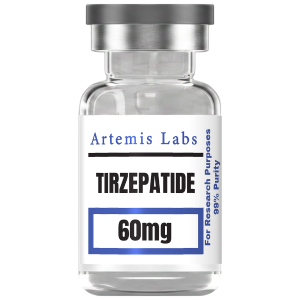
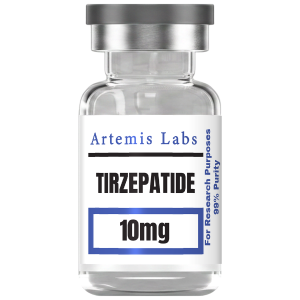
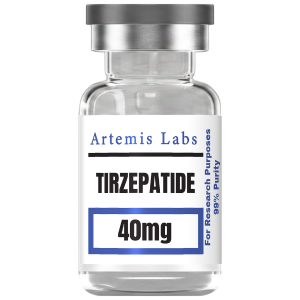
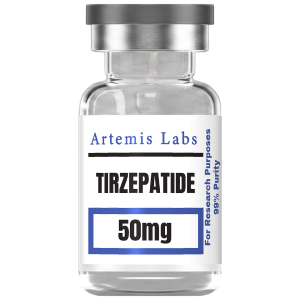
| Vial Size | 15mg, 20mg, 30mg, 45mg, 60mg |
|---|
Science & Research
Science & Research
Why is tirzepatide described as a GIP-selective co-agonist?
Tirzepatide engages two incretin receptors. Published research-model binding data place Ki near 0.1 nM at the GIP receptor and near 4 nM at the GLP-1 receptor, a roughly 30-fold preferential engagement of GIPR. That preference is the structural design feature separating tirzepatide from GLP-1-only research peptides, and it is what the term co-agonist refers to in this class.
Sun et al. 2022 resolved the cryo-EM structural basis of the GIPR-biased dual engagement: conformationally flexible regions of the peptide backbone allow it to satisfy both receptor binding domains, rather than the conformationally restricted single-agonist geometry used in comparable compounds (PNAS 119(13):e2116506119, PMID 35333651 · DOI 10.1073/pnas.2116506119).
What gives tirzepatide its extended half-life?
Tirzepatide is a 39-amino-acid linear peptide with α-methyl-aminoisobutyric acid (Aib) substituted at positions 2 and 13, and a C20 fatty-diacid moiety conjugated to lysine-20 through a γGlu-2×OEG linker. The lipid tail is a hydrophobic anchor that binds human serum albumin with high affinity; the resulting albumin association shields the peptide from dipeptidyl-peptidase-4 cleavage. That single structural modification, not the receptor profile, is what produces the extended plasma residence reported in pharmacokinetic studies.
What pharmacokinetics have been published for tirzepatide?
- Terminal half-life: approximately 5 days (reported range 5–6 days).
- Tmax: 8–72 hours in published studies.
- Elimination: approximately 66% renal, approximately 33% fecal — consistent with renal clearance of intact peptide alongside hepatic metabolism of degradation products.
What did each named tirzepatide trial report?
Every figure below is what a named trial measured in its own enrolled population, with its citation attached. None of it describes an expected outcome for any purchaser or research model.
- SURMOUNT-1 — Jastreboff et al., NEJM 2022 (PMID 35658024). 72-week Phase 3 trial; primary endpoint percent change in body weight from baseline. The highest tirzepatide arm reported a mean body-weight reduction of approximately 22.5% against placebo.
- SURPASS-2 — Frías et al., NEJM 2021 (PMID 34170647). 40-week head-to-head against semaglutide; superior HbA1c reduction reported.
- SURPASS pooled cardiovascular meta-analysis — Sattar et al., Nature Medicine 2022 (PMID 35210595). Pre-specified analysis of cardiovascular event risk across the Phase 3 program.
- SURMOUNT-4 — Aronne et al., JAMA 2024 (PMID 38078870). Randomized withdrawal following a 36-week lead-in; continued regimen reported ongoing body-weight reduction while the placebo arm regained substantially.
- SURMOUNT-OSA — Malhotra et al., NEJM 2024 (PMID 38912654). Two parallel trials reporting reductions in the apnea-hypopnea index; the basis for the December 2024 FDA obstructive-sleep-apnea indication for the parent compound.
- SYNERGY-NASH — Loomba et al., NEJM 2024 (PMID 38856224). Phase 2; one-stage fibrosis change reported in 55% of a tirzepatide arm versus 30% on placebo.
- SUMMIT — Packer et al., NEJM 2025 (PMID 39555826). 52-week trial in heart failure with preserved ejection fraction; 38% reduction reported in a composite of cardiovascular death or worsening heart failure, alongside higher KCCQ-CSS scores in the trial population.
- SURMOUNT-5 — Aronne et al., NEJM 2025 (PMID 40353578). First Phase 3 direct comparison against semaglutide at 72 weeks; greater body-weight reduction reported, a difference widely put at roughly 6.5 percentage points.
- SURPASS-CVOT — Nicholls et al., NEJM 2025 (PMID 41406444); design and baseline in American Heart Journal 2024 (PMID 37758044). Long-term cardiovascular outcome data versus dulaglutide.
What does the tirzepatide evidence not show?
- Post-withdrawal regain. Aronne et al., JAMA Intern Med 2025 (PMID 41284285): a post-hoc SURMOUNT-4 analysis reported ~14% mean body-weight rebound over a 52-week placebo phase, with waist circumference, blood pressure, non-HDL cholesterol, glycemic markers and insulin sensitivity reversing in proportion to the regain.
- Gastrointestinal adverse-event burden. Patel et al. 2024, 26(2):473–481 (PMID 37853960): pooled SURPASS-1 through -5 (N = 6,263), reporting nausea in 12–24%, diarrhea in 12–22% and vomiting in 2–13% of tirzepatide arms, mostly transient and mild to moderate. Notably, body-weight reduction was not mediated by adverse-event burden.
- Serious case reports. Iskander et al., Cureus 2025 (PMID 40026949): acute functional gastric outlet obstruction, fully resolved after discontinuation. Acute pancreatitis and mesenteric ischemia case reports also appear in the 2024–2025 literature. Rare against the trial-scale denominator; still a tracked signal.
The FDA-approved label for the parent compound carries warnings for acute pancreatitis, acute gallbladder disease, hypersensitivity and acute kidney injury. Investigators should consult primary regulatory documents and current PubMed pharmacovigilance literature directly.
How does tirzepatide compare with the other compounds in this class?
Comparative context only, each with its own citation. Retatrutide adds glucagon-receptor activation to the same two incretin receptors, with ~24.2% mean body-weight reduction reported at 48 weeks in Phase 2 (PMID 37366315). Semaglutide activates GLP-1 only, with ~15% reported at 68 weeks in STEP-1 (Wilding et al., NEJM 2021, PMID 33567185). Cagrilintide works through the amylin receptor, an orthogonal pathway rather than an incretin one.
What is the regulatory status of tirzepatide?
- FDA (parent compound). Approved for human therapeutic use under trade names that are not part of the Artemis Labs catalog. The Artemis product is a research reagent and is not a therapeutic equivalent of any approved drug.
- Compounding. The FDA removed tirzepatide from its drug-shortage list in October 2024; §503A compounding of the parent compound is correspondingly restricted. The research reagent sits outside that framework.
- DEA. Not a controlled substance under U.S. federal law.
- WADA. Compounds of this class are not currently named on the Prohibited List; verify against the code in effect for sport-research contexts.
Reviews (0)
Be the first to review “Tirzepatide”
Related products
weight-management
Reviews
There are no reviews yet.