
Vascular biology studies blood vessels: how they relax and constrict, how the endothelium signals, and how new vessels grow. Two Artemis compounds carry a vascular literature of their own, VIP and oxytocin. This page explains the models the field uses and lists the research articles.
No research articles are tagged to this topic yet. Browse all research articles →
What question does this field ask?
What makes a vessel relax or constrict, and which signals act on the endothelium, the single layer of cells lining every vessel? The classic readout is an isolated vessel ring in an organ bath, where a peptide is added and the change in tension is measured. Newer work reads endothelial gene expression and nitric-oxide signaling directly, and asks how a peptide crosses from blood to tissue.
Which compounds appear, and why?
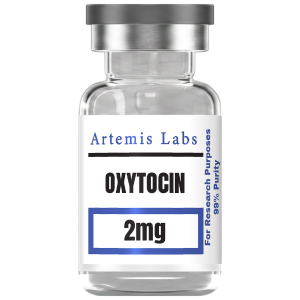
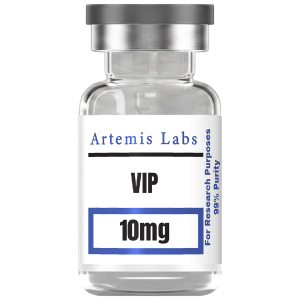
VIP was named for its vasoactive effect and has receptors on vascular smooth muscle; its recent papers also read gut and immune signaling, such as the 2026 Cell Stem Cell study of neuronal VIP. Oxytocin has vascular and cardiac receptor studies alongside its central-nervous-system work, and a 2026 delivery study read how a nanocomplex carried it across the nasal route. BPC-157's 2026 human artery-ring study is filed under tissue repair, but it uses the same organ-bath method and is linked below.
What do the studies measure?
Vessel relaxation, nitric-oxide pathway activity, endothelial markers and receptor expression, almost entirely ex vivo or in animals. There is no human trial of either compound as a research material, and the articles say so.
How do the compounds compare?
| Compound | What it is | Sequence / formula | Molecular weight | Sources cited on its page |
|---|---|---|---|---|
| VIP | vasoactive intestinal peptide, 28 amino acids | HSDAVFTDNYTRLRKQMAVKKYLNSILN-NH₂ | 3,326.8 g/mol | 16 |
| Oxytocin | 9-amino-acid cyclic neuropeptide | CYIQNCPLG-NH₂ | 1,007.2 Da | 11 |
Sequences and molecular weights are the values verified on each product page. "Sources cited" is the count shown on that page on 28 August 2026.
Where do I read more?
Every compound on this page is supplied for laboratory research only. Each product page carries its full reference list.
References
- Anastasio C, Peduto L (2026). Neuronal VIP shapes intestinal stem cell activity and mucosal immunity. Cell Stem Cell. PMID 41795422
- Hu Y et al. (2026). LAT1-targeting self-assembly nanocomplex with enhanced nose-to-brain delivery of oxytocin. J Control Release. PMID 41921838
- Yildirim AK et al. (2026). Endothelium-dependent nitric oxide-mediated vasorelaxant effects of BPC 157 in human internal mammary artery. J Clin Med. PMID 42123221