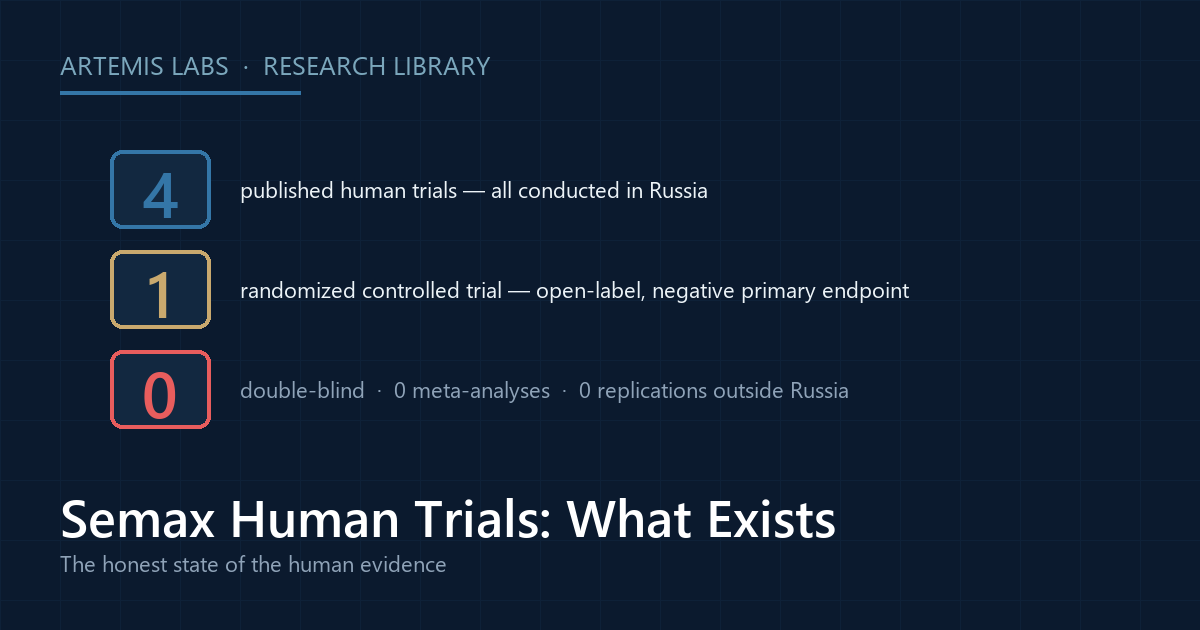
Every published human study of Semax in stroke and cerebral ischemia was run in Russia. Here is what each one reported, and the design limits behind each result.
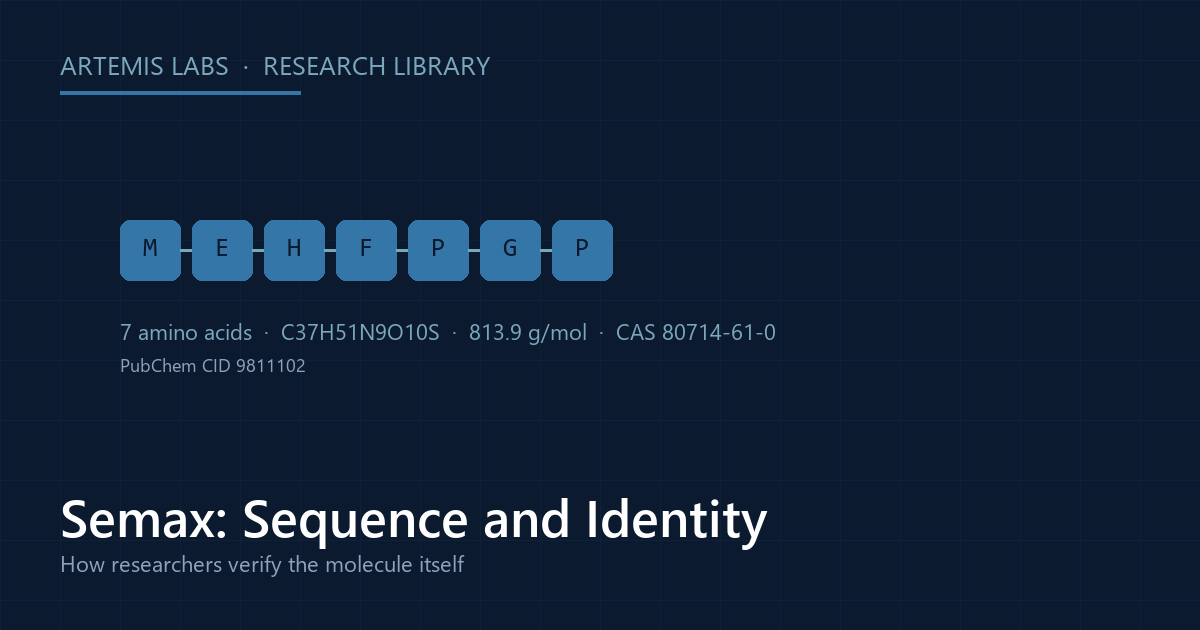
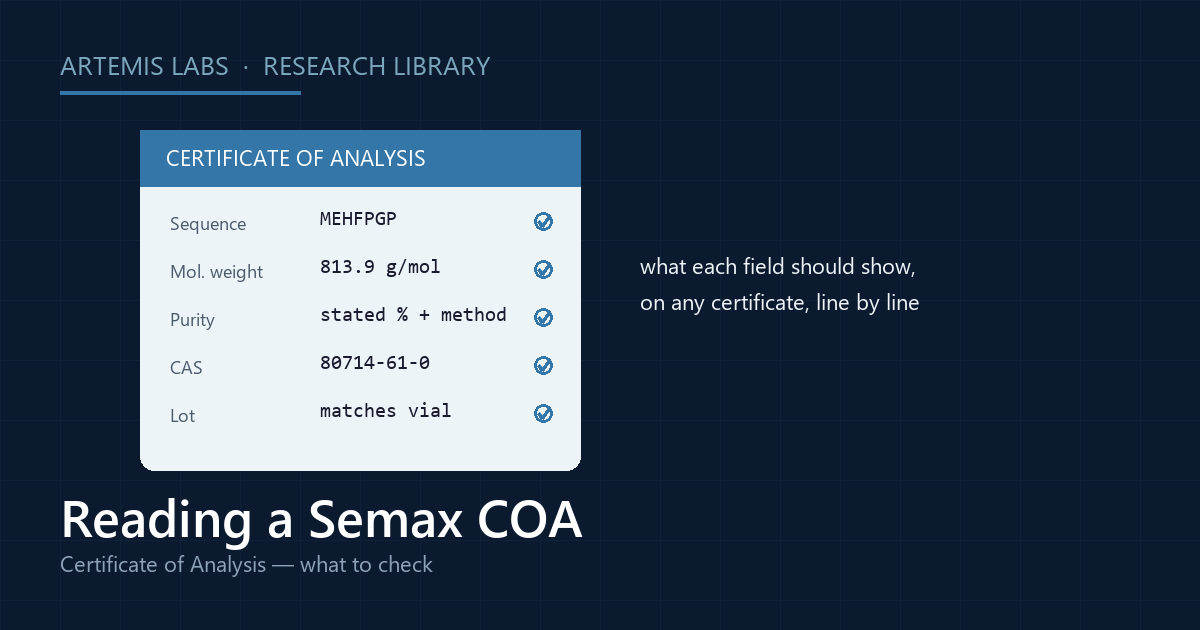
Semax verified identity data read from PubChem CID 9811102 on August 26, 2026: sequence MEHFPGP, formula C37H51N9O10S, weight 813.9, CAS 80714-61-0.
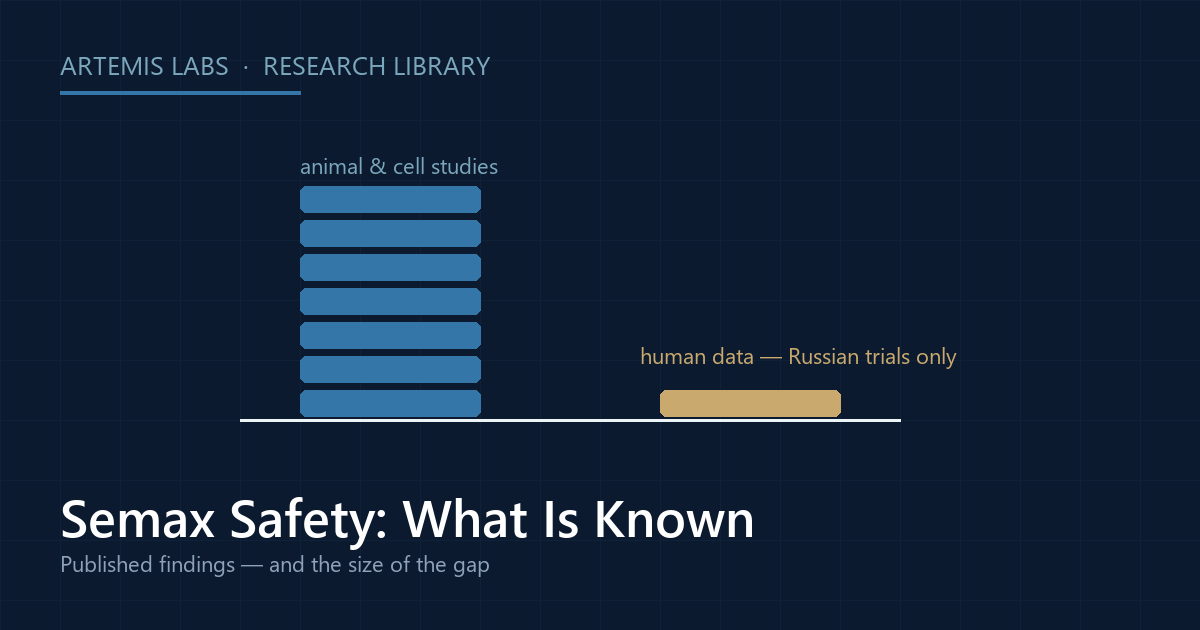
A plain-language review of what published Semax studies report about safety, including the negative findings, the missing long-term data, and the gaps.
What Russian optic-nerve, glaucoma and retina studies of Semax actually reported, why none of them isolate the peptide, and where the published record runs thin.
A plain-language review of the published Semax neuroprotection literature: which studies used cells, which used animals, which used people, and what each one found.
Semax has four PubMed records carrying a clinical-trial tag. None were run outside Russia, and the only randomized one reported a negative primary endpoint.
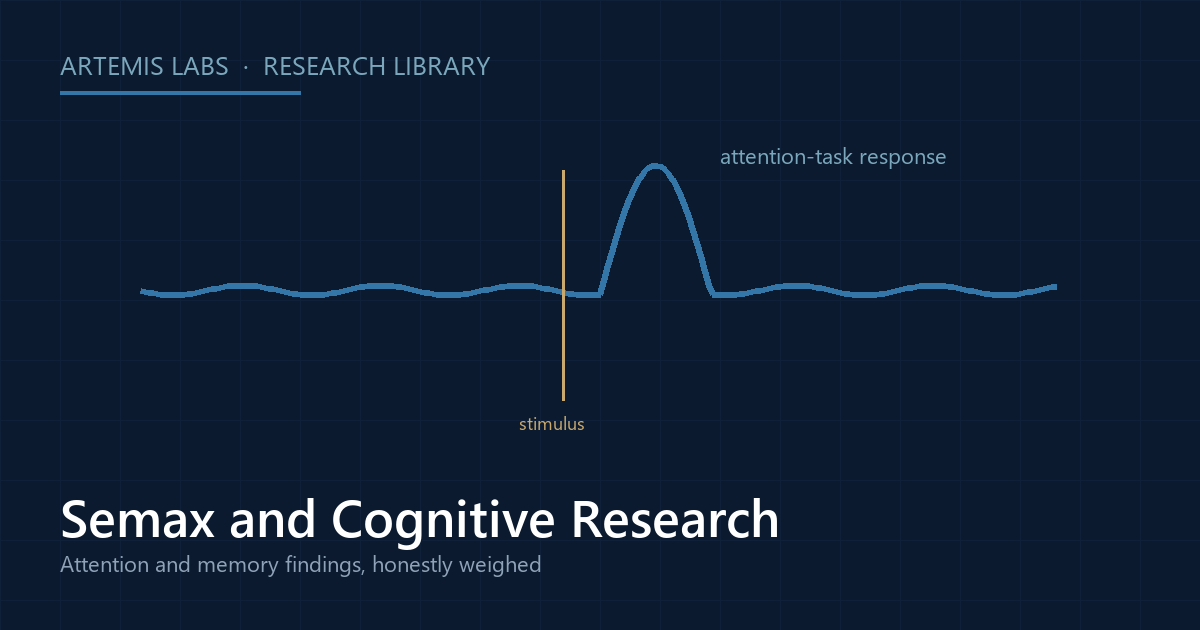
What published studies measured when they looked at Semax, cognition and attention, who was studied, where the work was done, and what was never tested.
What a Semax COA should show: sequence MEHFPGP, seven residues, CAS 80714-61-0, CID 9811102, and the two mass numbers that are both correct.
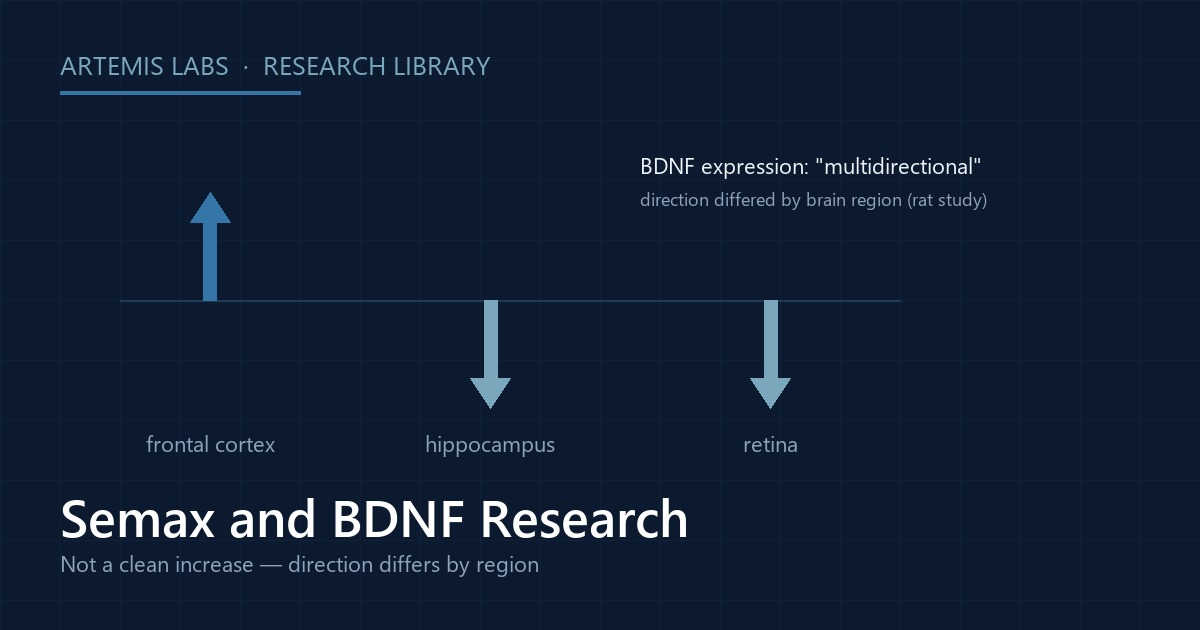
Semax is widely described as raising BDNF. The most-cited study measured it in three rat brain regions and found it fell in two of them. Here is what was reported.
What published studies report about Semax in anxiety and stress research: rat stress models, a forced swim test null result, and the limits of the record.